How Heat Treatment Can Eliminate Bed Bugs: Essential Equipment and Inspection Strategies
Heat treatment stands out as a dependable solution for eradicating bed bugs. By raising temperatures beyond 120°F, it eliminates all stages of life, including eggs. Vital equipment, such as thermal imaging cameras and fans, plays a vital role in delivering effective results. However, comprehensive inspections are necessary to detect infestations and typical hiding spots. Understanding these elements is fundamental to a effective treatment. What particular overview techniques can maximize the results of this process?
Why Heat Treatment Is Your Best Bet Against Bed Bugs
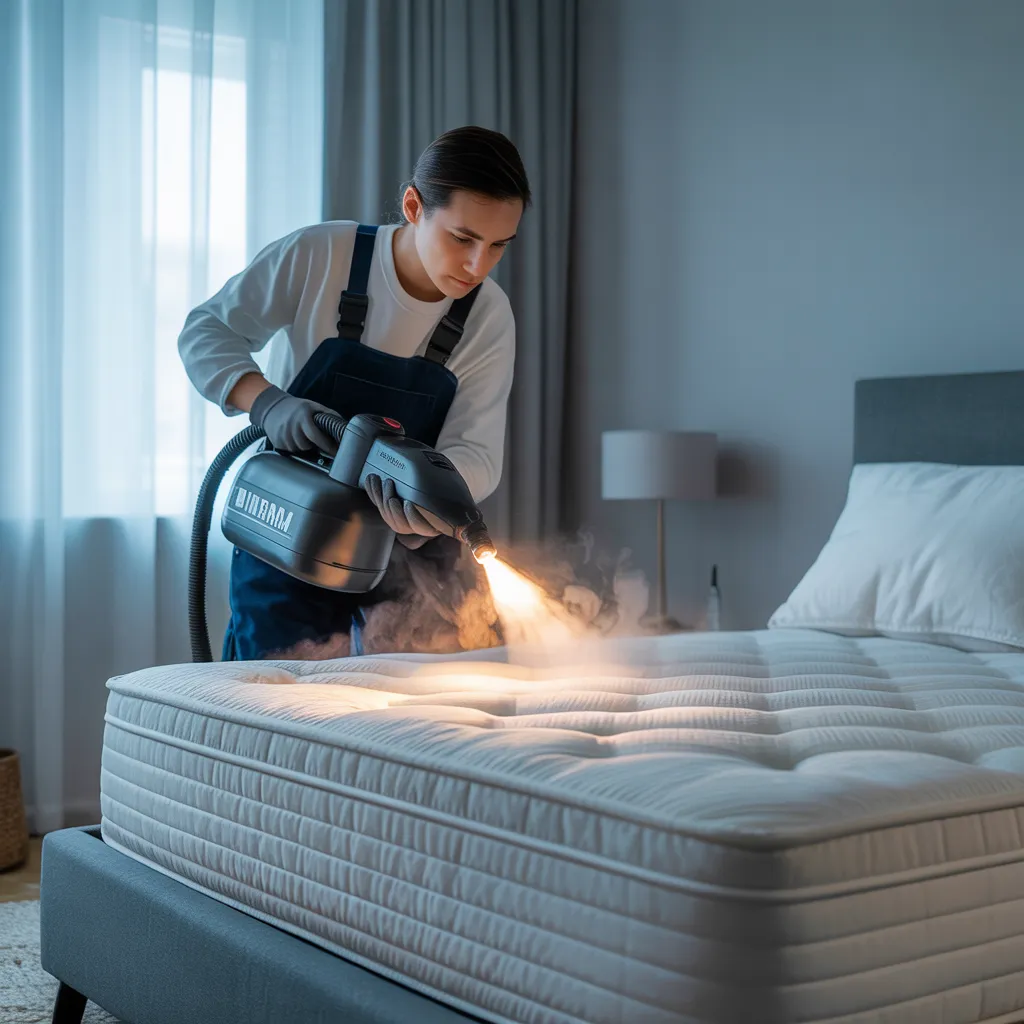
Heat treatment stands out as one of the most effective methods for exterminating bed bugs. This approach utilizes extreme heat, typically between 120°F and 140°F, to eliminate all developmental stages of these bugs, including eggs. As opposed to chemical solutions, which often need several applications and may leave unwanted residues, heat treatment works its way into tight spaces, crevices, and furnishings, ensuring thorough coverage.
Furthermore, this technique is green, as it bypasses the use of toxic pesticides, making it a healthier choice for homes and workplaces alike. The efficacy of heat treatment is remarkable; studies show that it can eliminate bed bugs within minutes of reaching lethal temperatures. Additionally, heat treatment typically needs less time than older techniques, allowing for speedier eradication of infestations. With these factors in mind, heat treatment remains a trusted solution for anyone facing bed bug problems.
What You Need for Successful Heat Treatment
Effective heat treatment for eliminating bed bugs demands thorough preparation and appropriate equipment. Necessary tools consist of high-capacity heaters able to reach temperatures surpassing 120°F, which is essential for destroying bed bugs at every stage of their life cycle. Thermal imaging cameras are useful for detecting temperature irregularities, guaranteeing that all areas receive sufficient heat. In addition, fans play a crucial role in effectively moving hot air, supporting even temperature distribution throughout the entire treated space.
Protective equipment, such as gloves and masks, is important for personal safety during the procedure. Reliable temperature monitoring devices, like thermocouples, provide accurate monitoring of temperature levels in different areas. A consistent energy source is critical, as the heat treatment process may necessitate lengthy periods of use. Lastly, effective insulation of affected areas assists in maintaining increased temperatures for longer durations, boosting treatment success. With the right preparation and equipment, the chances of successful bed bug eradication are greatly enhanced.
Identifying Bed Bug Hiding Spots in Your Home
Where might bed bugs be concealed in a home? These pests are notorious for their ability to conceal themselves in various locations. Frequent hiding locations include the stitching and folds of mattresses and box springs, where they feed on sleeping inhabitants. Bed frames and headboards likewise act as suitable refuges, commonly sheltering eggs and nymphs within their crevices.
Beyond bedding, bed bugs are known to occupy furniture, particularly upholstered items such as couches and armchairs. They can also hide within gaps in walls, baseboards, or flooring. Congested spots, including nightstands and closets, create ideal conditions for these bugs to multiply.
Regular inspections of these locations can help identify infestations early. Property owners ought to stay watchful, thoroughly checking any suspicious spots and utilizing a flashlight to better illuminate the area. Being aware of where bed bugs tend to conceal themselves is key to managing them effectively.
Carrying Out Heat Treatment: A Step-by-Step Guide
A methodical heat treatment strategy can successfully eliminate bed bugs from affected areas. The method commences with a detailed evaluation to establish the severity of the infestation and the exact locations demanding treatment. Subsequently, all belongings in the impacted zone should be relocated or protected to minimize heat dissipation. The interior temperature should be increased to no less than 120°F (49°C) through the use of dedicated heaters, making certain that heat is distributed consistently throughout the room.
Monitoring equipment should be installed to track thermal readings, as maintaining consistent temperatures is critical for success. Once the target temperature is reached and maintained for at least 90 minutes, the process may be regarded as effective. Afterward, the space should be cooled down gradually, and a follow-up examination performed to verify the eradication of bed bugs. Finally, any remaining items should be treated or discarded to prevent re-infestation, confirming a complete and effective bed bug removal process.
Effective Tips to Maintain a Bed Bug-Free Space
Maintaining a bed bug-free environment requires proactive measures and vigilance. Routine checks of sleeping spaces, such as mattresses, box springs, and furniture, are critical for identifying the earliest indications of bed bugs. Storing personal items away from the floor and applying protective covers to mattresses can significantly lower the chances of an infestation.
Reducing clutter in spaces eliminates hiding spots for these pests, while regularly washing bedding and clothing in hot water works to destroy any potential eggs or bugs. It is vital to vacuum regularly, ensuring the vacuum bag is disposed of immediately to prevent re-infestation.
Travelers ought to check their hotel accommodations and ensure bags remain raised off the ground. Furthermore, educating all household members about recognizing bed bugs and their signs improves general awareness and prompt action. By implementing these strategies consistently, one can effectively maintain a bed bug-free space and lower the risk of a bed bug infestation.
Questions We Often Receive
How Long Does It Take for Heat Treatment to Eradicate Bed Bugs?
Heat treatment generally requires around six to eight hours to effectively eliminate bed bugs. The time required may vary based on the extent of the infested space and the tools utilized during the extermination process.
Are There Any Side Effects of Heat Treatment on My Belongings?
Heat-based pest control can potentially damage delicate belongings, such as artwork, electronics, and plastics, as a result of intense heat exposure. However, the majority of items, especially hard surfaces and textiles, typically withstand the treatment without notable harm or permanent effects.
Should I Perform Heat Treatment Myself or Hire a Professional?
People can choose to perform heat treatment themselves or enlist a professional. Self-applied methods can lack accuracy, while experts ensure thoroughness and safety. Weighing the risks and effectiveness can help identify the best approach for eliminating bed bugs.
What Temperature Is Needed to Eradicate Bed Bugs Effectively?
In order to effectively eradicate bed bugs, the temperature must achieve a minimum of 118°F (48°C) for a continuous period of time. Elevated heat levels, around 130°F (54°C), may yield faster outcomes, ensuring complete eradication of all life stages.
How Often Should I Repeat Heat Treatment for Best Results?
Scheduling repeated heat treatments every 2 to 4 weeks is advisable for best results. This approach helps ensure any newly hatched bed bugs are eradicated, avoiding re-infestation and achieving complete pest elimination.